Cash flow you build — not wait for.
A $345,000 corner-block house in Marsden, Queensland became two self-contained homes returning $56,420 a year. Site purchased 2015; granny flat completed 2017 — on the record ever since.
With rates elevated and the negative gearing and CGT settings resetting from 2027, cash flow is doing more of the work in investor returns than it has in a decade. Two incomes from one block is a strategy an owner controls — and this is what it looks like, done.

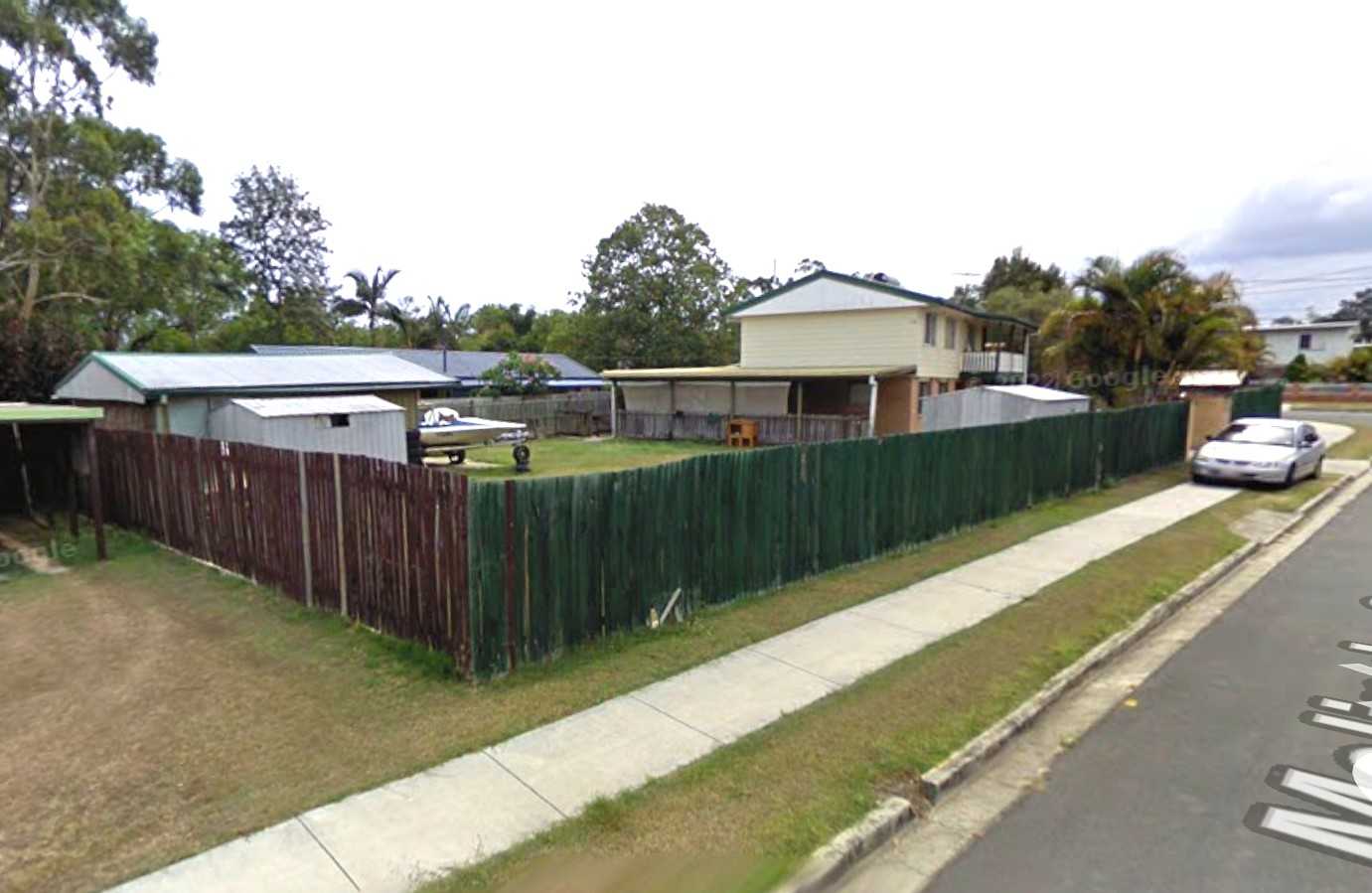
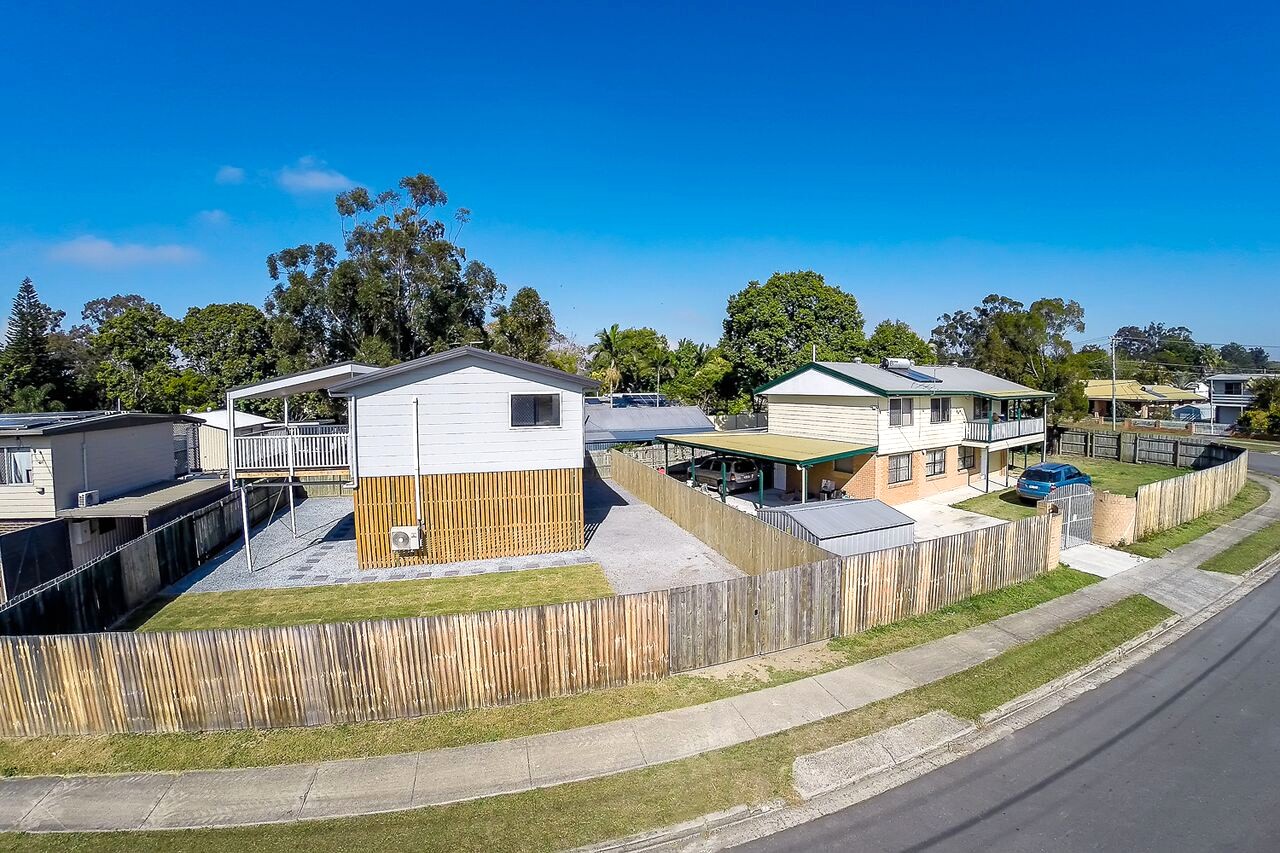
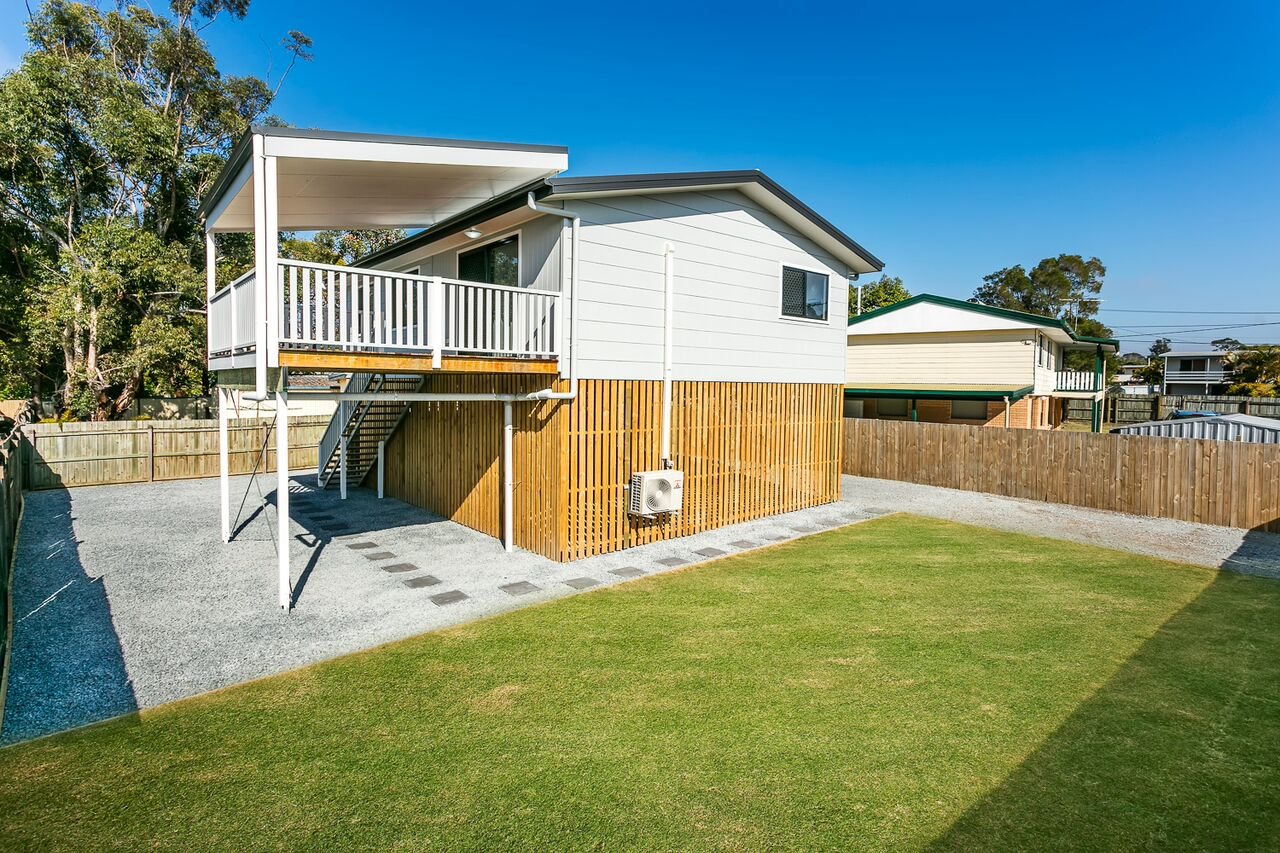
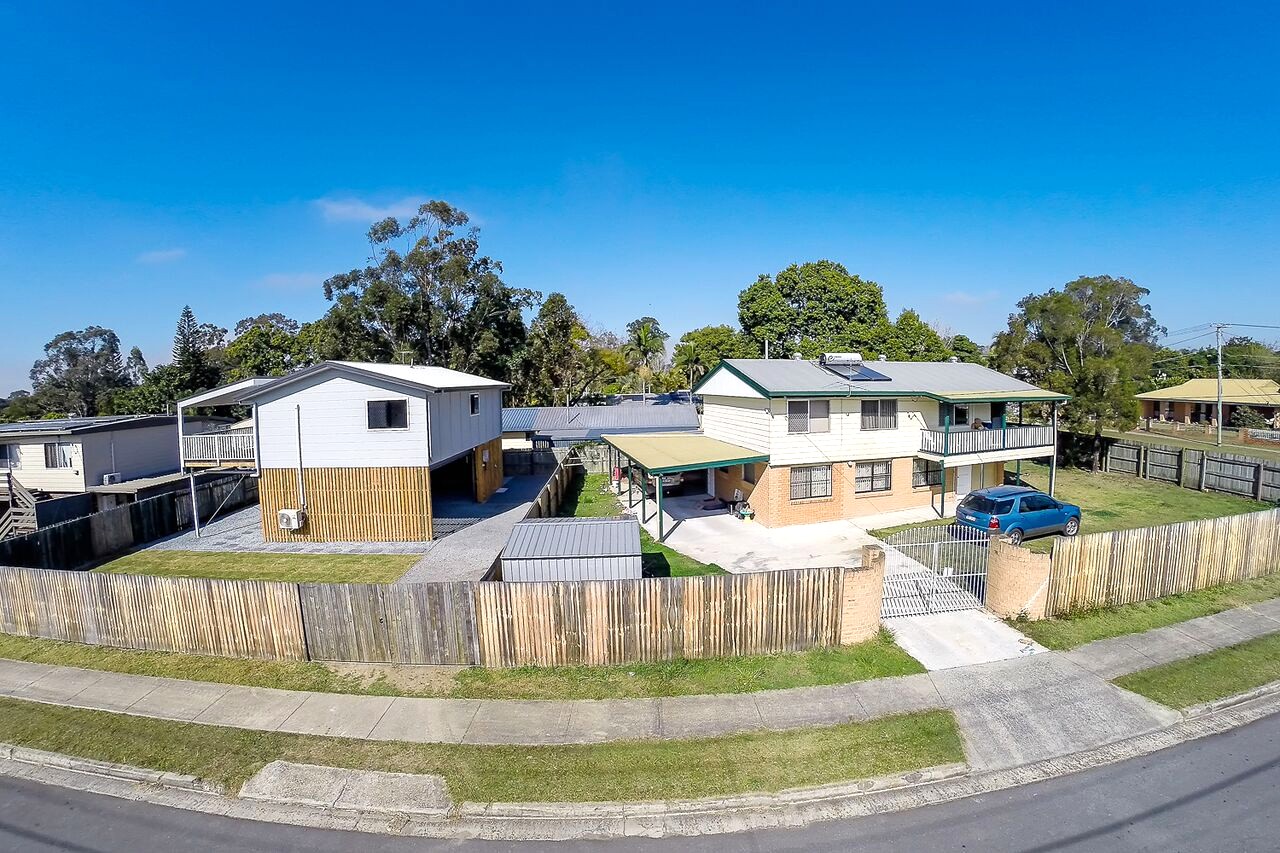
Left: the corner as it stood before purchase. Right: the same corner today — the original home and the high-set granny flat, each addressing its own street.
A granny flat behind a mid-block house shares a driveway, a frontage and a sense of one property divided. A corner block removes all three problems at once — and that is why this site was purchased.
The build cost $170,000. The judgment — seeing at purchase what this specific corner could carry — is what the $170,000 was standing on. Feasibility is decided the day you buy the block.
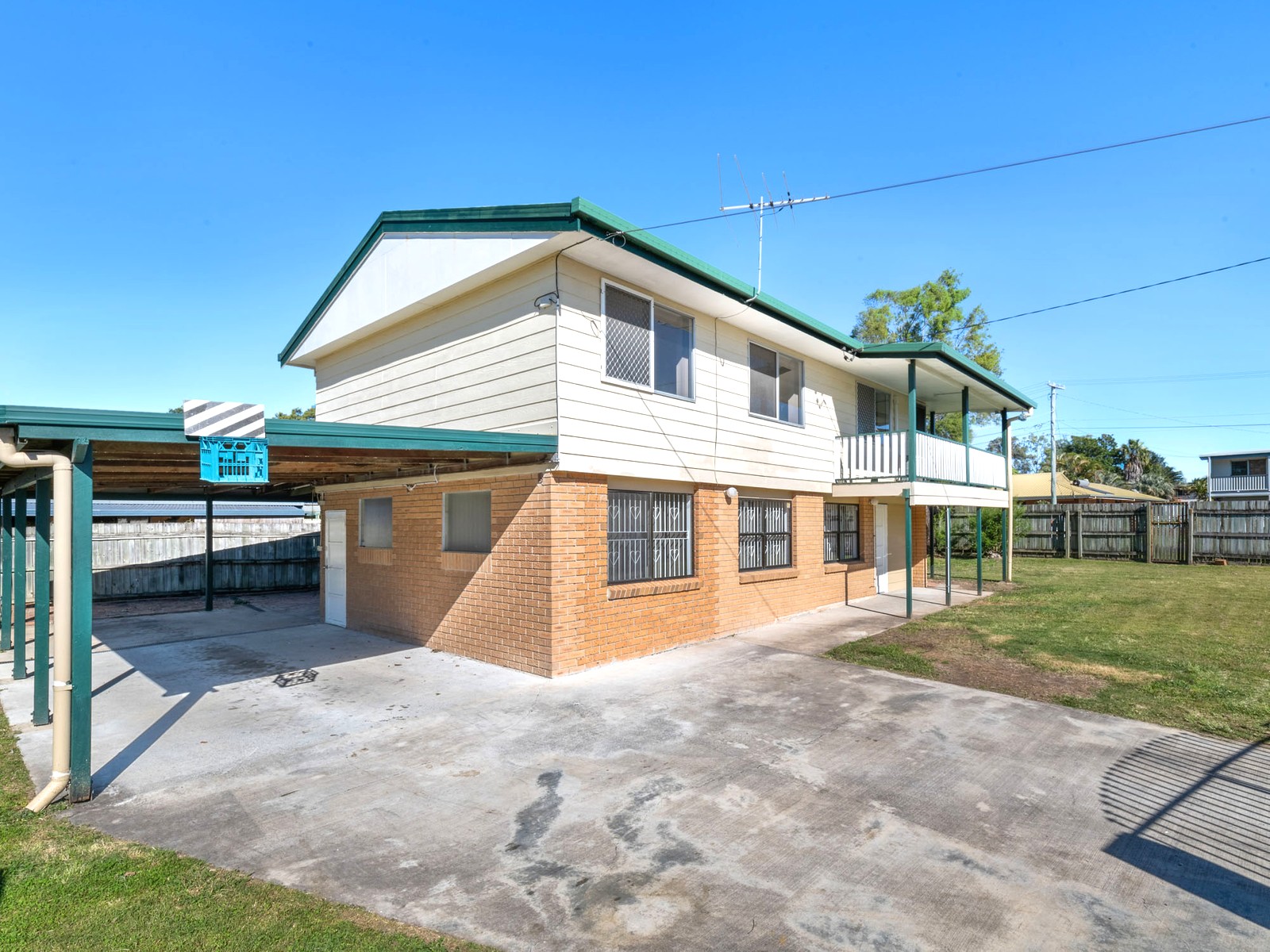
The primary home
Its own entrance
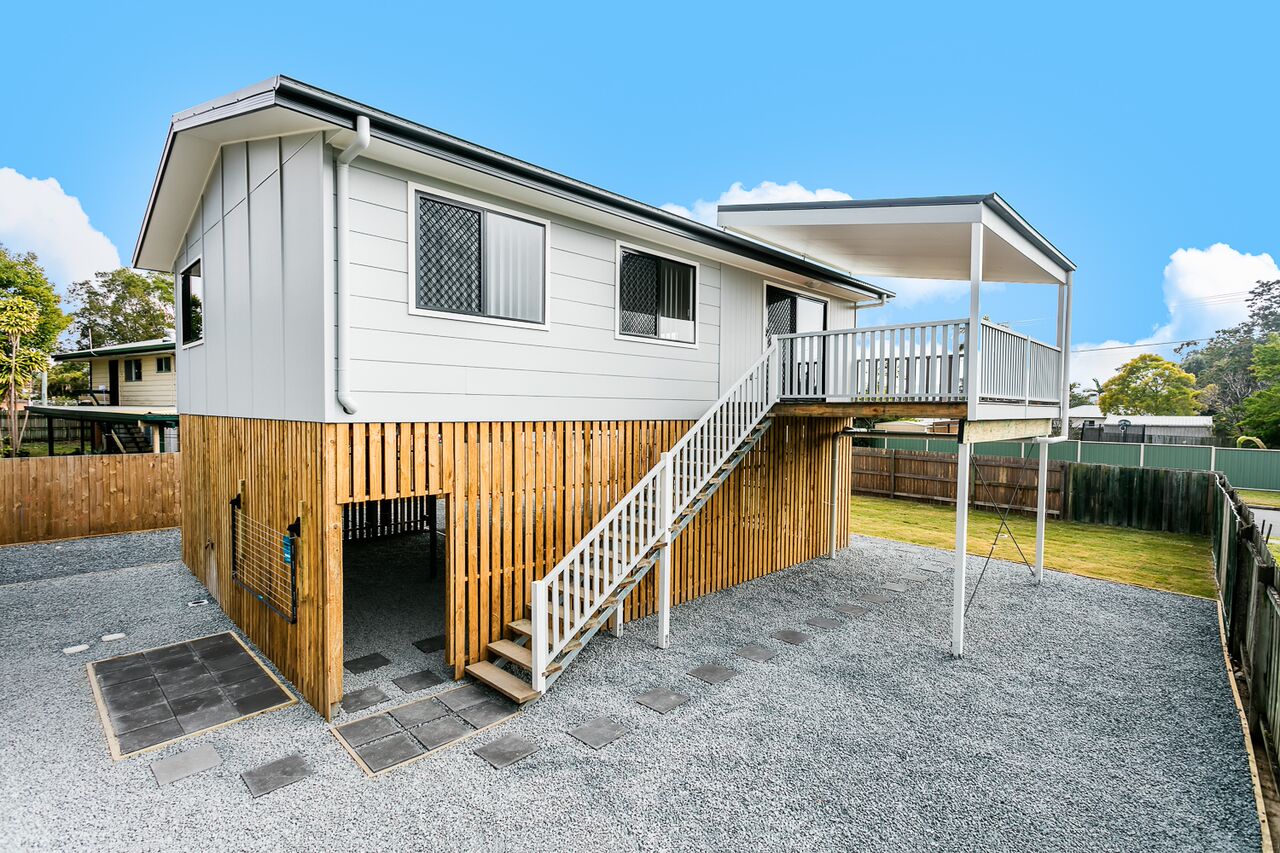
Its own yard
Two homes, one blockThe build itself, photographed start to finish on this block — and a walkthrough showing the internal standard these homes are finished to.
The granny flat, from bare corner to completion — assembled from Pillar’s own progress photography of this project.
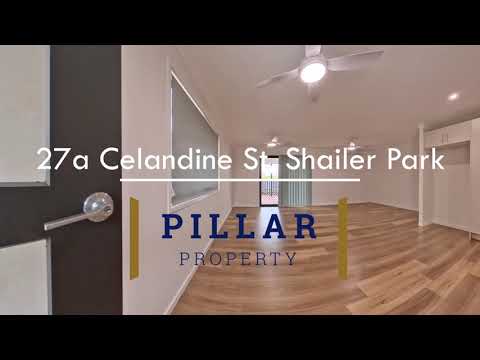
Walkthrough: a comparable Pillar granny flat, shown to demonstrate the internal standard — full-height ceilings, proper kitchens, homes rather than sheds. Not the Marsden property.
Every buyer pays today’s prices and every buyer worries about it. What the record shows is what happened after the price was paid: rents and values compounded while the outlay stood still.
Both charts are recorded history for this suburb and this property. Past growth is not a forecast — the point is narrower and stronger: the price paid on day one is fixed, and everything that compounds afterwards compounds in the owner’s favour.
$515,000 in → $1,250,000 estimated out — and $56,420 a year in rent while holding. Yield on cost is 11.0%; an equivalent purchase at today’s values returns roughly 4.5% gross. The difference is the decade — and the decision made at the start of it.
Total outlay: $345,000 + $170,000 = $515,000. Gross yield on cost: $56,420 ÷ $515,000 = 11.0%. Uplift: $1,250,000 − $515,000 = $735,000 (+143% on outlay). Rents: $610/week (primary) + $475/week (granny flat). Values are Pillar Property’s estimation, July 2026 — not a formal valuation.
Pillar’s role here ran end to end: sourcing the property, the due diligence that identified what this corner could carry, arranging and project-managing the build, and managing both tenancies today. Not every block suits a second dwelling — corners, frontages, services and rental depth decide it, before a dollar is spent on construction.
If you hold — or are considering — a block that might qualify, the feasibility conversation is where to start. No obligation; we’ll tell you plainly if it doesn’t stack up.
This case study describes an actual Pillar client project in Marsden, Queensland, and its recorded history; the property is identified by suburb only. Figures are drawn from Pillar’s management records and the property’s June 2026 rental appraisal; suburb data sourced from Cotality (RP Data). Value estimates are Pillar’s estimation, not a formal valuation. Any future titling is subject to council approval and is noted as a possibility only. General information, not financial advice — feasibility and results are specific to each property.