Growth you manufacture — not wait for.
A $255,000 house in Bundamba became two separately titled dwellings returning $51,740 a year. Twelve years, shown start to finish.
Strategies like this unfold over years, not quarters — so we’ve chosen a project far enough along that the whole arc is on the record, not projected. This began in 2014; it is the same work we scope for clients today — because in this market, waiting for the suburb to do the work is no longer a strategy.

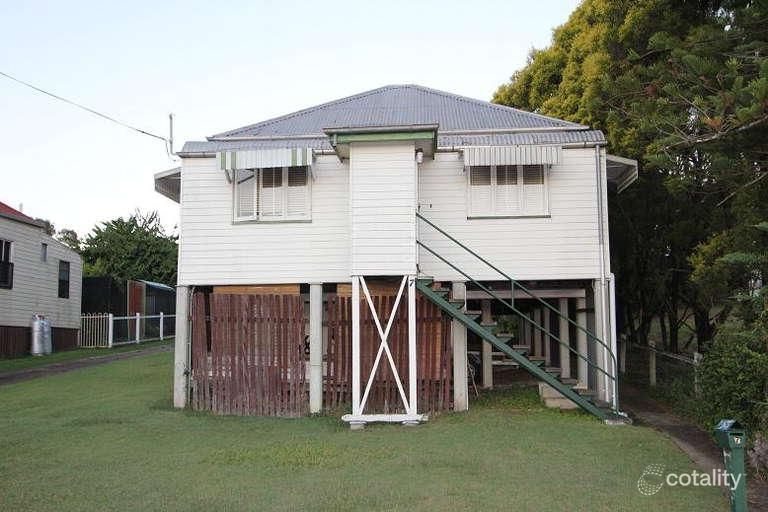
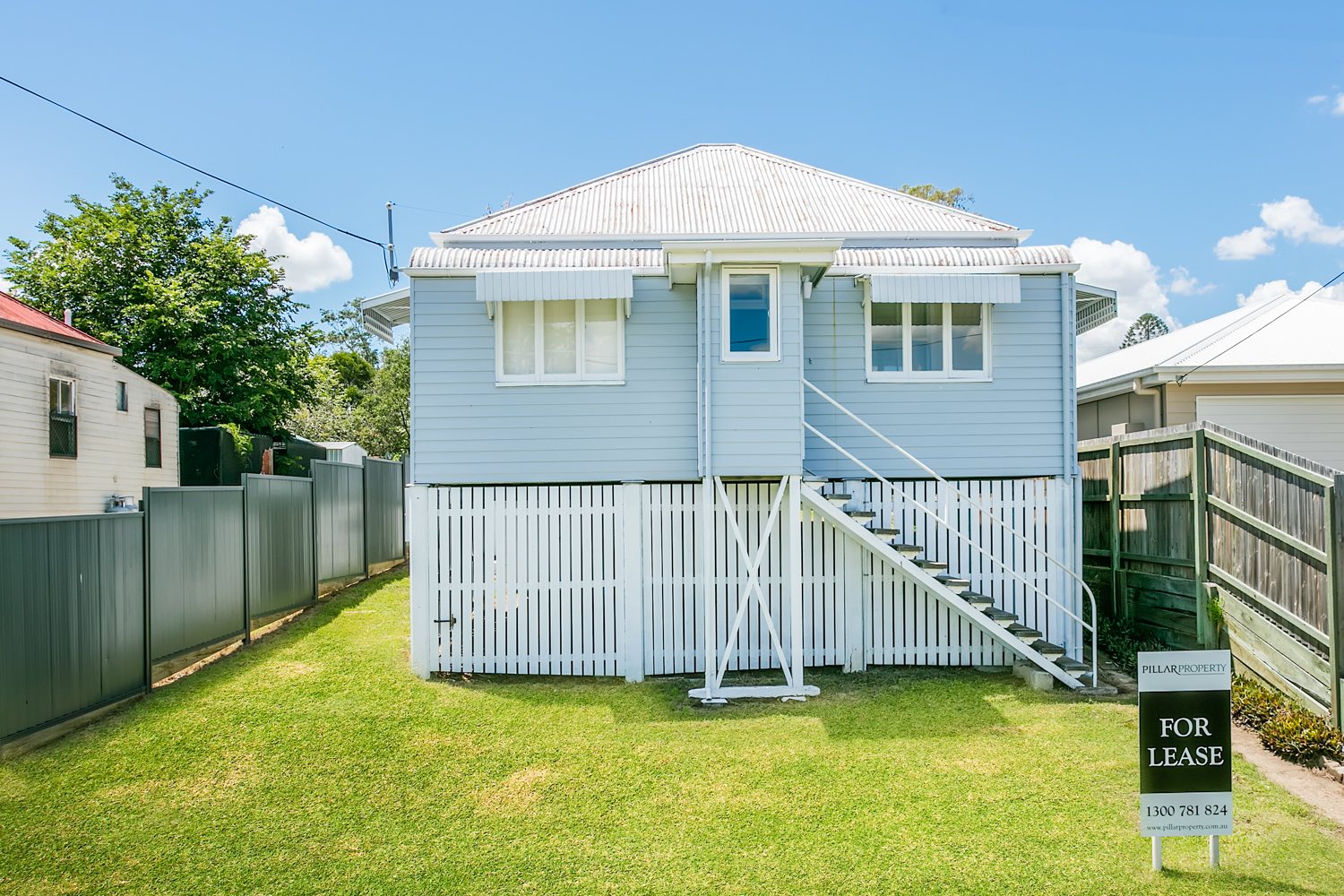
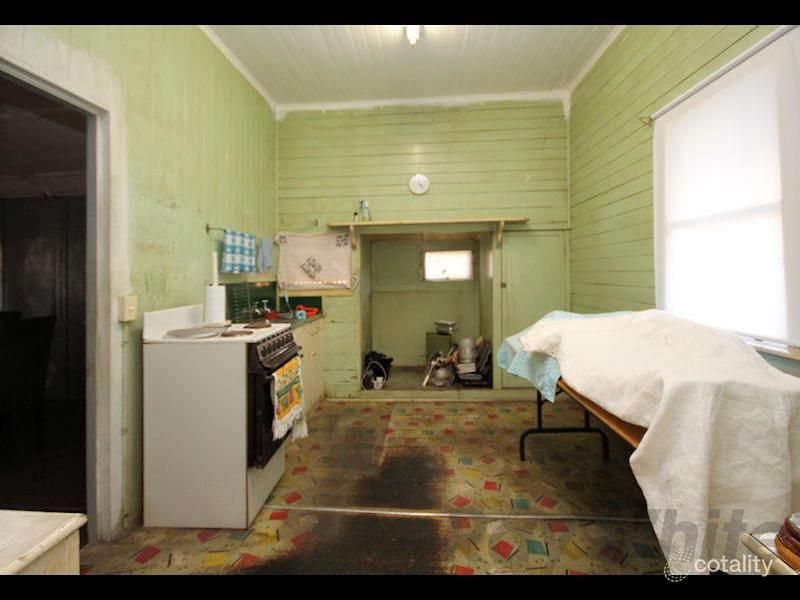
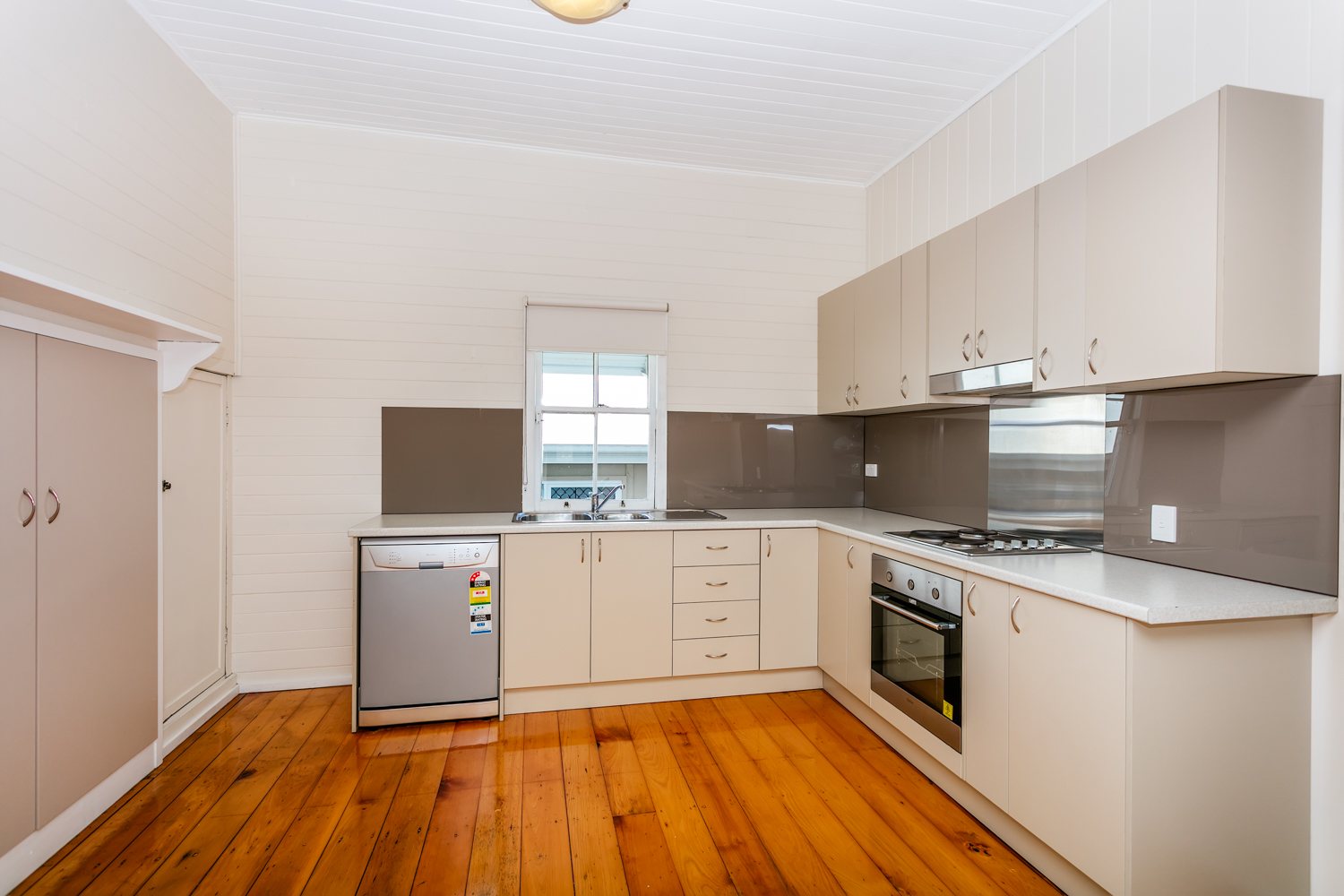
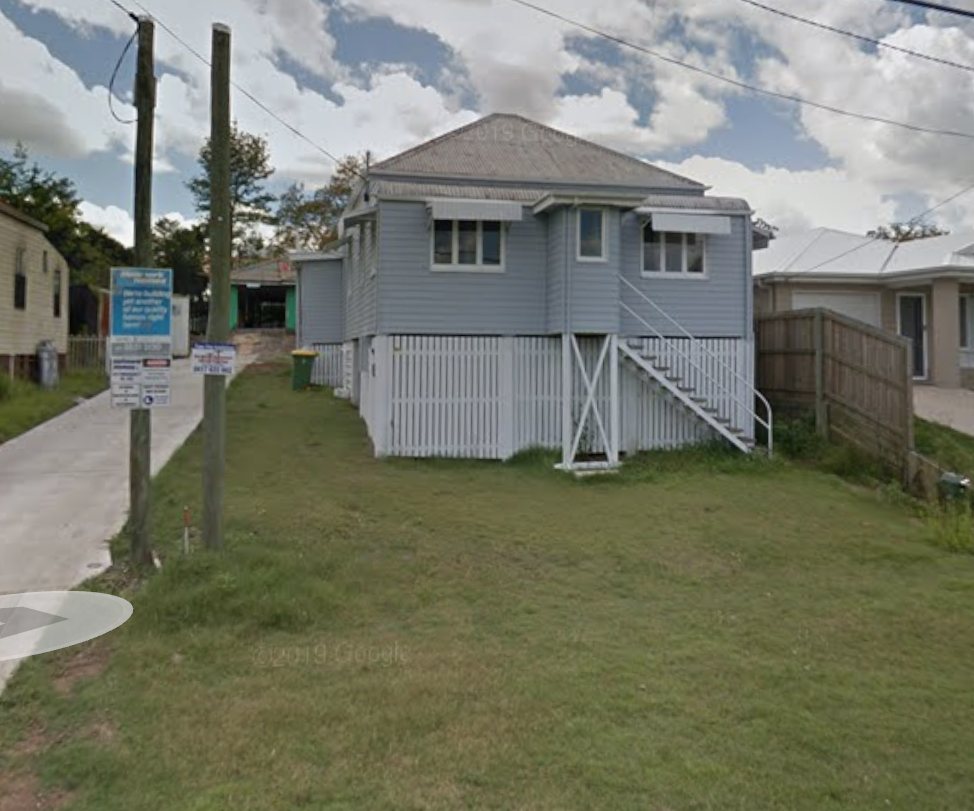
Left: the original post-war house as purchased, August 2014. Right: the same house after renovation — the front of a block that now holds two dwellings on two titles.
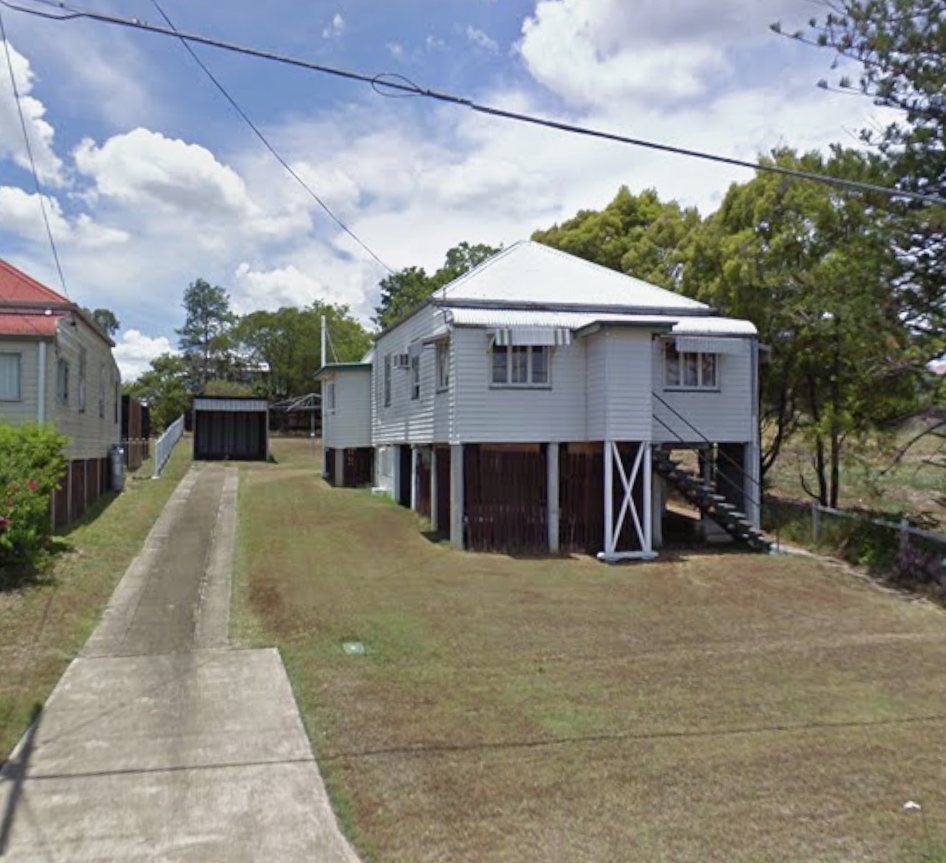
Pillar sources a three-bedroom post-war house on 759 m² for $255,000. The purchase case was the land: subdivision-capable zoning, and a suburb where 41.6% of households rent.
Outlay so far $255,000
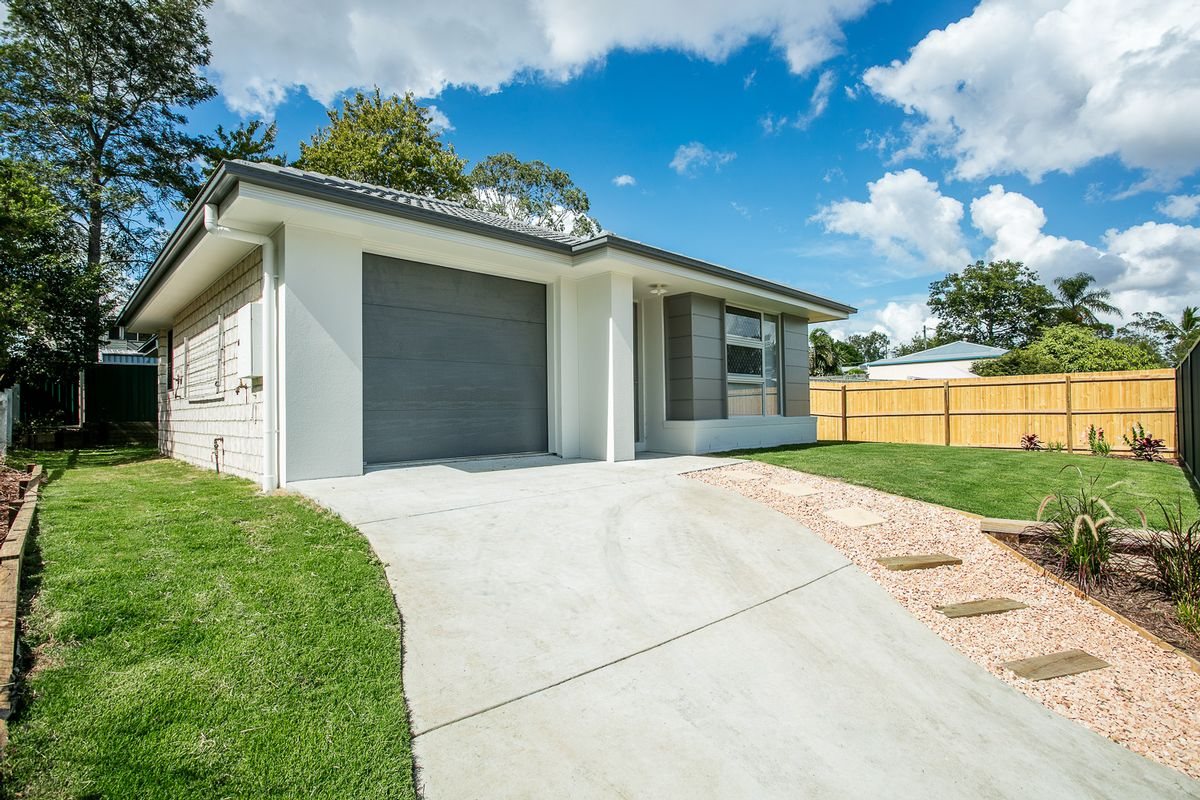
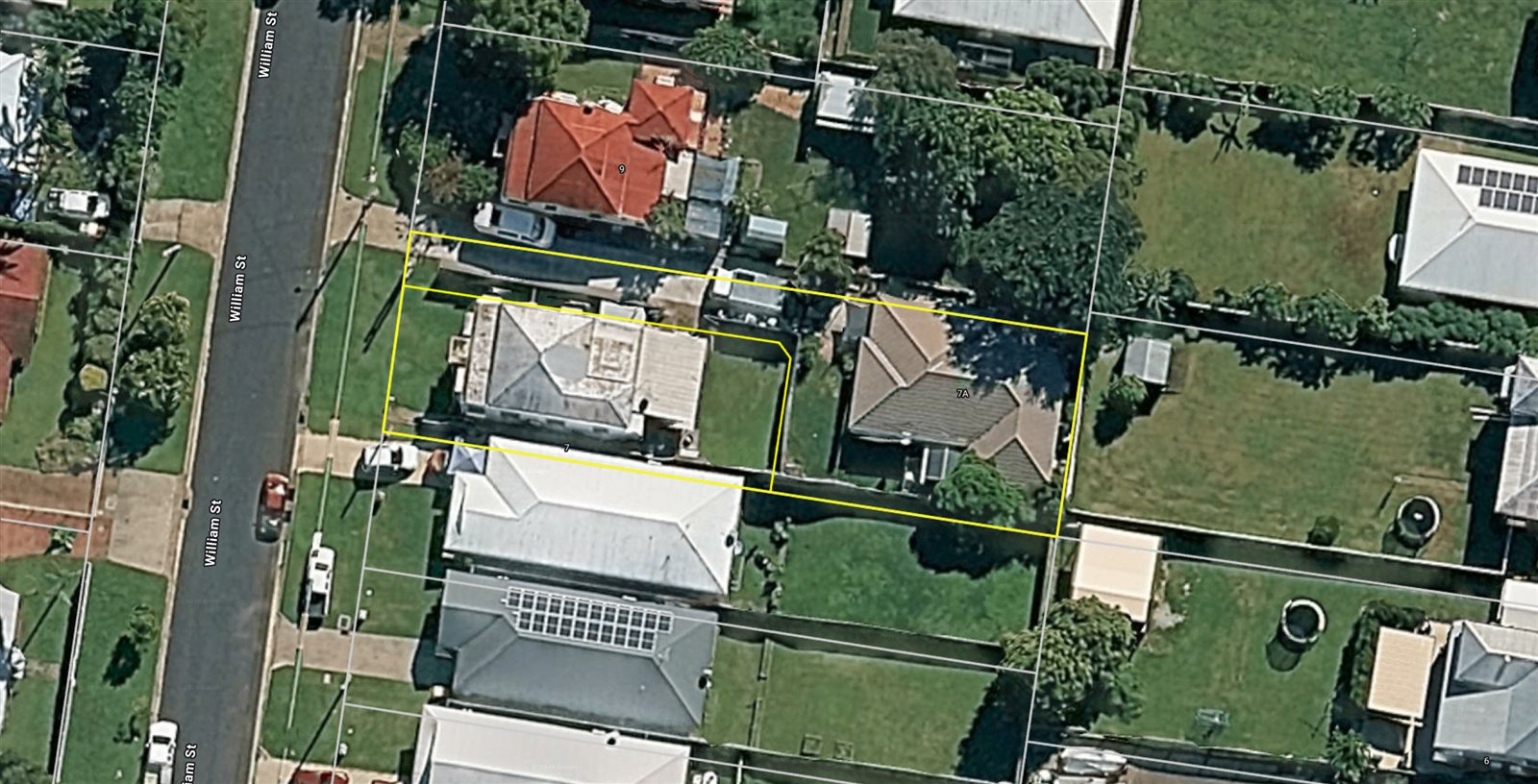
Three pieces of work run as one programme: the front house renovated, the land cut into two registered titles, and a new dwelling built on the rear lot — approximately $270,000 combined.
Outlay so far $525,000
Not a house and a granny flat — two dwellings on separate titles. Each can be held, refinanced or sold independently. Both tenanted; both managed by the team that bought and built them.
Two titles · two incomes
Combined rent of $995 per week — $51,740 a year against a $525,000 outlay. Pillar’s July 2026 estimation: $750,000 (front) and $830,000 (rear) — $1,580,000 across the two titles.
Uplift on outlay +201%
2014
2015
2015
2016$525,000 in → $1,580,000 estimated out. The uplift of $1,055,000 was built through structure — land selection, subdivision and a second dwelling — not through waiting on the market. Yield on cost sits at 9.9%; an equivalent purchase at today’s values would return roughly 3.3% gross.
Gross yield on cost: $51,740 ÷ $525,000 = 9.9%. Uplift: $1,580,000 − $525,000 = $1,055,000 (+201% on outlay). Values are Pillar Property’s estimation, July 2026 — not a formal valuation. Figures from Pillar’s management records and rental appraisal.
Zoning, lot size, services and rental depth determine whether a second-dwelling strategy works — long before a slab is poured. This is one property’s recorded history, not a forecast; every block is its own feasibility case.
If you hold — or are considering — land that might qualify, the feasibility conversation is where to start. No obligation; we’ll tell you plainly if it doesn’t stack up.
This case study describes an actual Pillar client project and its recorded history. Figures are drawn from Pillar’s management records and July 2026 rental appraisal; value estimates are Pillar’s estimation, not a formal valuation. General information, not financial advice — feasibility and results are specific to each property.